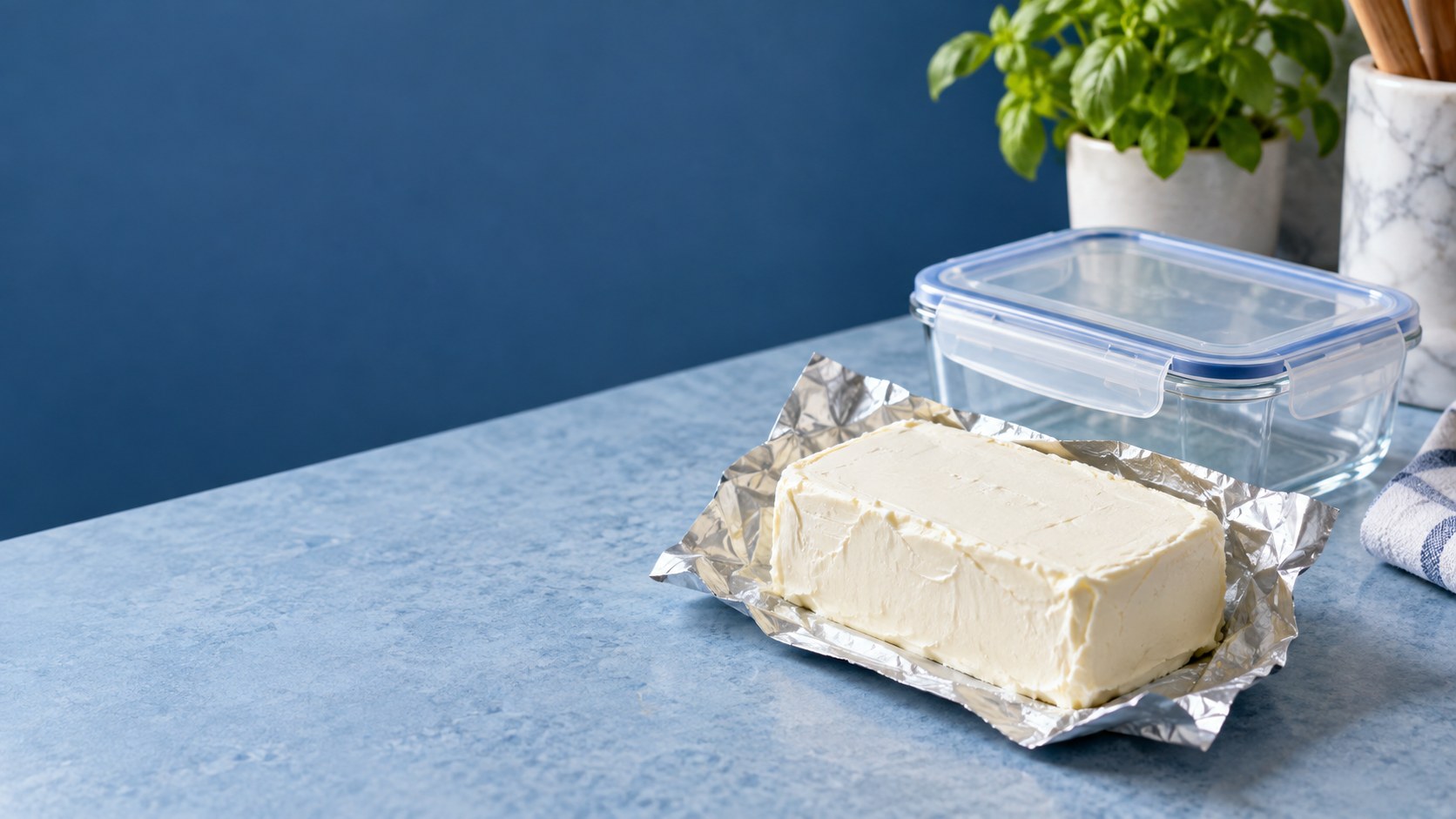
Cream cheese can be frozen for later cooking, according to NDSU Extension. For a smooth spread on your next bagel, keeping it refrigerated is the better choice: Philadelphia advises against freezing because it can affect product quality. NDSU freezing guide · Philadelphia FAQ.
You bought an extra brick on sale, or a recipe left you with half a package. Freezing sounds like an easy way to save it. The useful question is what you want that cream cheese to do after thawing.
Choose the next use before you freeze it
| Your plan | Our recommendation | Why |
|---|---|---|
| Bagels, crackers or a cold spread | Keep it fresh | This is where a change in texture is easiest to notice. |
| A cooked dish | Freezing may be useful | NDSU lists cooking as a use for frozen cream cheese. Choose a recipe that mixes it into the dish. |
| Cheesecake or smooth frosting | Use fresh cream cheese for predictable results | Freezing the ingredient and freezing a finished dessert are different decisions. |
| A prepared dip or icing | Use a recipe with freezing instructions | Other ingredients matter. A recommendation for one mixture does not cover every dip or frosting. |
These are our practical choices based on the sources below, rather than results from a kitchen test. The National Center for Home Food Preservation says plain cream cheese freezes poorly; it describes a specific exception when combined with heavy cream for certain dips and icings. Read its cheese guidance.
Why does Philadelphia say not to freeze it?
The manufacturer’s concern is quality. Its FAQ explicitly distinguishes the effects of freezing from a health or safety hazard caused by freezing itself. That does not make spoiled or improperly stored cheese safe to eat.
For Philadelphia, the refrigerated storage advice is more specific: keep it at 40°F, reseal it after use, and use an opened package within 10 days or by the printed date, whichever comes first. Those instructions apply to that brand. Philadelphia storage instructions.
If you decide to freeze the leftovers
- Start with properly refrigerated cream cheese. Freezing is a storage option, not a way to rescue spoiled food.
- Pack an amount you can use at once. A small portion avoids repeatedly thawing the whole supply.
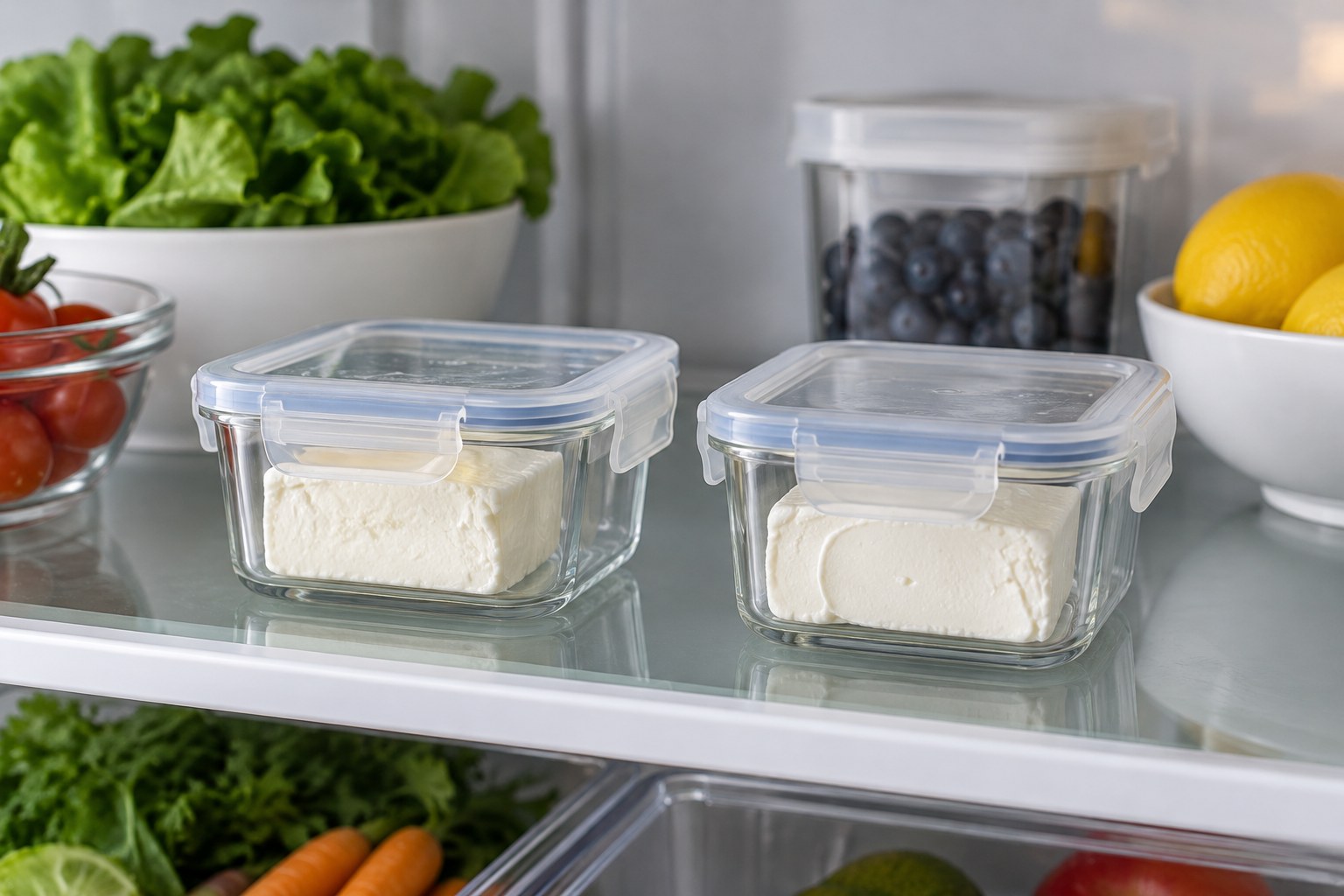
- Use packaging intended for the freezer. Seal a freezer container or freezer bag securely, then label it with the food name and packing date.
- Keep the freezer at 0°F (−18°C) or below. Use an appliance thermometer to check the temperature.
Portion size is our planning suggestion. Packaging and labeling follow NCHFP guidance; temperatures follow USDA storage guidance.
Thaw it in the refrigerator
Move the closed container to the fridge and allow it to thaw there. Keep the refrigerator at 40°F (4°C) or below. NDSU advises using thawed dairy products soon and avoiding refreezing them. NDSU thawing advice.
If your plan was a cooked dish, use the thawed portion in that recipe. If your plan was a perfectly smooth spread, fresh cream cheese is still the more dependable option. Do not count on warming or whisking to restore the original product quality.
How long can you freeze cream cheese?
A single freezer deadline would be misleading here. Philadelphia recommends keeping its product refrigerated, while NCHFP warns that cream cheese does not freeze well. Neither gives a recommended freezer life for plain cream cheese in the guidance cited here.
USDA explains that freezer storage times generally describe quality, and properly handled food kept continuously at 0°F remains safe almost indefinitely. That does not guarantee good cream cheese texture or cover food that was unsafe before freezing. Label the date and plan a use for it, rather than treating the freezer as permanent storage. USDA: freezing and food safety.
What about cream cheese in a tub?
Philadelphia does not give unopened tubs an exception to its freezing advice. For a spread you want to serve cold, keep it refrigerated and follow the package directions. Philadelphia product FAQ.
Sources & review
Reviewed October 12, 2026. Brand instructions apply to the named products. The use table is our interpretation of manufacturer and university guidance. Both images are original AI-generated illustrations.

