SEOUL TRAVEL • TRANSPORT • SEPTEMBER 2026
Three days in Seoul doesn’t automatically mean you need a three-day transport pass. Start with the trips you’ll actually take: a morning ride into town and a ride home can add up very differently from a day spent crossing the city.
Our starting point: choose T-money for a flexible, pay-as-you-go trip. Consider a short-term Climate Card when you expect frequent journeys on routes it covers. Here’s a worked example to help you decide without counting every train change as a new fare.
Official information checked September 17, 2026 · Adult fares · Prices in Korean won
A QUICK LOOK AT THE CARDS
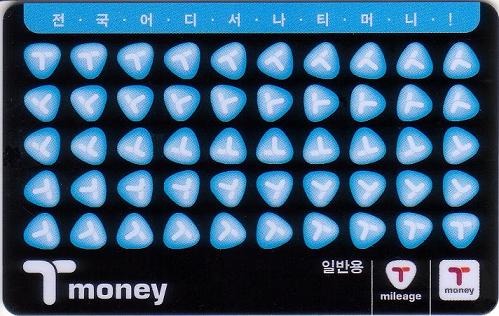
Look for the T-money name. The photo shows an older design; shop designs vary.

An official 2024 design example. Ask for the prepaid card for a short-term pass; the design available may differ.
Image credits: T-money photo by zisk (2010), Wikimedia Commons, public domain. Climate Card: Seoul Metropolitan Government / SMG, June 26, 2024 press release, reproduced under KOGL Type 1. Images shown without alterations.
Which sounds more like your trip?
FLEXIBLE PLANS
T-money
You prefer walking, may take taxis, or haven’t settled your itinerary. Paying for the journeys you take keeps the decision simple.
BUSY TRANSIT DAYS
Climate Card
You have several days of frequent public transport planned. Check coverage first, then compare the pass cost with those journeys.
T-money is a reloadable payment card; the Climate Card short-term pass provides unlimited travel within its permitted network. Neither choice removes the need to check whether your particular service accepts it. Source: Korea Tourism Organization’s card guide.
What does a three-day pass actually cost?
A three-day Climate pass is ₩10,000. If you need the physical card too, add ₩3,000: your initial outlay is ₩13,000. The card purchase and the travel pass are separate costs. Source: Seoul’s Climate Card page.
For this example, suppose you already own a usable T-money card and would buy your first physical Climate Card. We use ₩1,550 per separately charged adult subway journey, the base card fare in Seoul’s published subway fare table. This is a planning example, not a quote for a specific route.
| Your travel | Existing T-money | New Climate Card + pass |
|---|---|---|
| 6 journeys total | ₩9,300 | ₩13,000 |
| 9 journeys total | ₩13,950 | ₩13,000 |
What this tells you: in the six-journey example, keeping T-money saves ₩3,700. At nine journeys, the new Climate Card saves ₩950. Don’t rearrange a good itinerary just to make a pass pay off.
If you already own the physical Climate Card, compare against ₩10,000 instead. If you need a new T-money card, include its purchase price too; KTO lists standard cards at ₩3,000–₩5,000. These ownership differences can change the answer.
Count fare-paying journeys, not train changes. Distance charges, transfer discounts, bus fares and discounted fares can change the calculation. For your own estimate, add the fares for the trips you expect to make and compare that total with the pass plus any new card cost.
Don’t load a pass just before bedtime
Short-term Climate passes start on the date you load them. Seoul says a one-day pass ends with that day’s final bus or subway service; it is not a fresh 24 hours from your first ride. Load it on the day you intend to begin using it. Official validity rules ↗
Where do you get one?
T-money: KTO lists convenience stores such as GS25, CU and 7-Eleven, plus information centers on Seoul subway Lines 1–8. Purchase cost is separate from the balance you load.
Physical Climate Card: KTO lists Seoul Metro information centers and new station vending machines, along with selected convenience stores. The pass is loaded at station ticket machines. Use the official guide below to match a purchase location to your route.
Bring some Korean cash as a practical backup. The official pages differ on foreign-card payment guidance, so this guide does not promise that your overseas bank card will work at every machine.
Card purchase locations and rules ↗A two-minute decision before you buy
- Write down your likely journeys, including the ride back to your accommodation.
- Separate trips outside the pass’s confirmed coverage.
- Include the cost of any card you don’t already own.
- If the saving is tiny, choose the option that makes your trip easier.
This is an independent planning guide, not a personal test of either card. Calculations are ours using the linked official prices and stated assumptions. Coverage and payment rules should be checked for your travel date. No affiliate links.
 Next Up Guide

Leave a comment